Meet the Team: Supporting Young People Beyond Custody
Behind every young person’s journey is someone who believes in them.
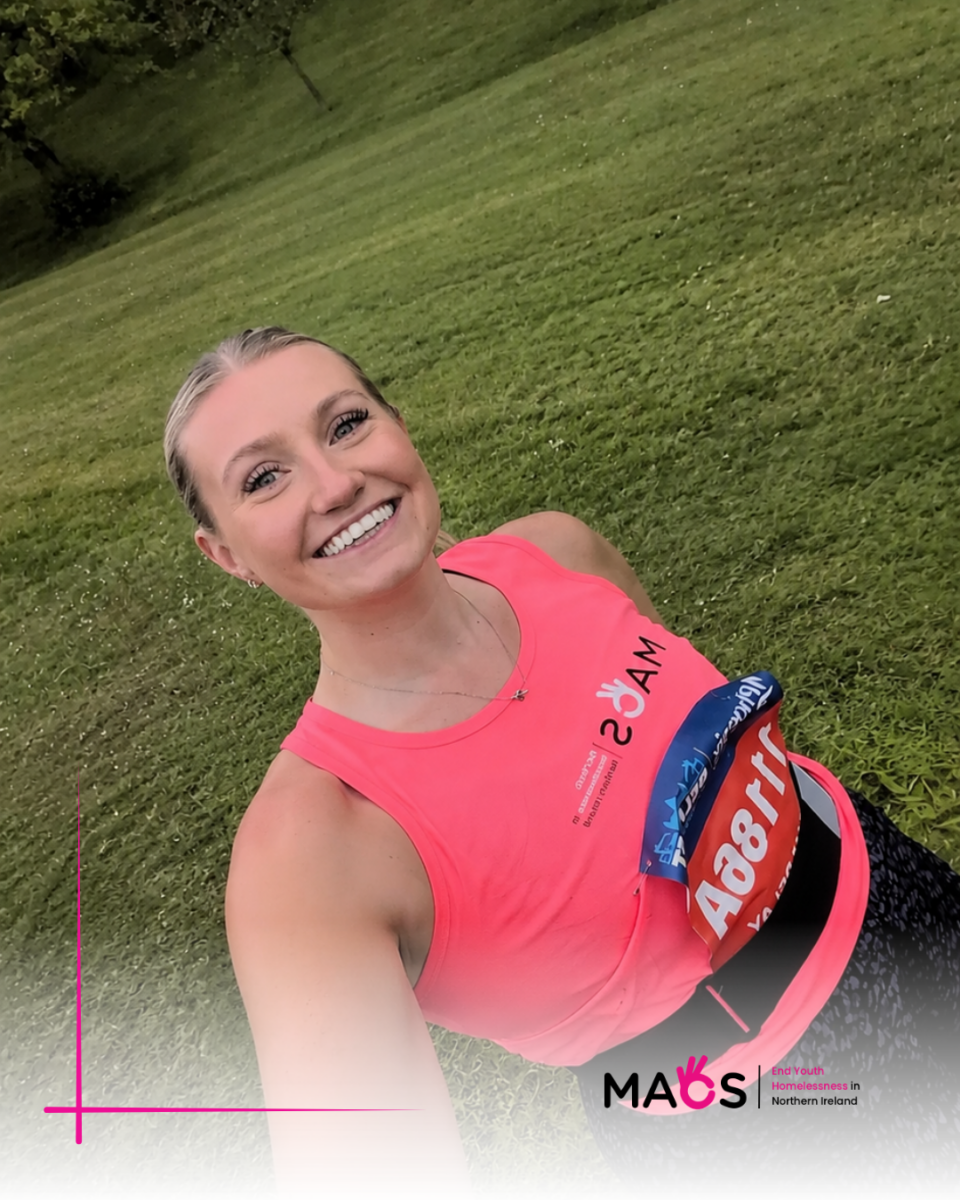
In this edition of our Meet the Team series, we spoke to Amber, a member of our Prison Resettlement Team about what it’s like to support young people as they prepare to leave custody, the importance of building trust, and why every young person deserves the opportunity to build a brighter future.
1. Can you tell us a little bit about your role at MACS and how long you’ve been here?
I work for MACS in the Prison Resettlement Team, supporting children and young people as they prepare to leave custody and reintegrate into their communities. I’ve been in this role for nearly four years, and during that time I’ve built strong relationships with young people and partner agencies.
2. What does a typical day look like in your role?
There is no typical day in Prison Resettlement – you never know what the day will throw at you when you come into work. However, a coffee from Bread and Banjo most days is often non-negotiable!
On the work side, my day can include meeting with young people in custody or in the community, carrying out assessments, planning for resettlement by liaising with partner agencies, and advocating to ensure young people have access to the support they need.
3. What do you enjoy most about working with young people at MACS?
What I enjoy most about working with young people at MACS is building positive relationships and being someone they can trust during a difficult time in their lives. I enjoy supporting them to recognise their strengths and overcome challenges.
It is rewarding to see them grow and celebrate their achievements, as often, if they have no family networks, we at MACS can be the only people there to celebrate these milestones with them.
4. What challenges do young people face in your area of work, and how do you help them overcome these challenges?
Many of the young people I support face significant challenges and have experienced trauma, disrupted education, poor mental health, unstable family relationships, or difficulties finding accommodation. These challenges can make resettlement difficult.
I help by building trusting relationships, providing consistent support, and working with partner agencies to ensure they can access the services they need.
5. Can you share a memorable experience or success story from your time at MACS?
One young person I supported was experiencing homelessness, struggling with substance misuse, and facing significant mental health challenges. I worked closely with him for two years to help secure safe accommodation, supported him to access rehabilitation services, and provided consistent support throughout his journey.
By building trust and encouraging him every step of the way, he was able to engage with the help available. Today, he is doing well, has not been involved in any further offending, and is maintaining a safe and secure home. Seeing these positive changes has been one of the most rewarding experiences in my role.
6. What’s something you wish more people understood about the work you do at MACS?
I wish people understood that this work is about giving young people hope and opportunities, not judging them for their past. Every young person has their own story, and many have faced challenges that most people never see.
Building trust takes time. Knowing that you have helped a young person move towards a safer, more positive future makes the work worthwhile.
The young people we support are more than the circumstances that have brought them into the justice system. Our role is not simply about managing risk or helping with resettlement – it is about providing consistent support. Progress is often gradual, and even small achievements can represent important steps towards lasting change.
7. Why do you think the service you provide is so important for young people?
I believe the service I provide is important because it gives young people the support, guidance and encouragement they need at a critical point in their lives. Resettlement can be challenging, and having someone who listens, advocates for them and helps them access the right services can make a significant difference.
8. How do you see MACS making a difference in the lives of young people?
I see MACS making a real difference by providing consistent, person-centred support that helps young people overcome challenges, or simply by providing a constant during an otherwise unstable time.
Through trusted relationships, practical support and close partnership working, MACS helps young people access opportunities, guidance and the confidence that’s right for them.
9. What motivates you to keep doing this work?
I am motivated by the opportunity to help young people create positive futures. Knowing that my support can make a real difference during difficult periods in their lives, and seeing them grow in confidence, resilience and hope, is what inspires me to continue doing this work, even on the tough days.
I am also very grateful to have such a supportive team around me!
10. Is there anything you’d like to say to people who might not know about MACS or the services we provide?
I would tell people that MACS is an organisation dedicated to supporting children and young people through some of the most challenging times in their lives. Our focus is on giving every young person the opportunity to reach their full potential.
Find out more about our Prison Resettlement Service